
Pallet Shipping Service for Commercial Freight - A Guide
Commercial freight runs on precision. One delayed pallet can disrupt inventory, stall production, or delay a patient in need of supplies. This is why it’s important for businesses to find a pallet shipping service provider that combines palletized freight with the logistics network needed to move it efficiently and safely.
This guide walks through what businesses need to know before shipping palletized freight. With this, you’ll learn the types of pallets used in commercial transport, key dimension and weight standards, shipping regulations to keep in mind, and packaging best practices.
What is a Pallet Shipping Service?
A pallet shipping service transports goods that are loaded, stacked, and secured on pallets rather than shipped as individual boxes or loose freight. Pallets keep products organized and protected throughout transit. They also make loading, unloading, and handling faster and safer.
This approach works well for businesses that ship in volume. Instead of tracking dozens of individual packages, a pallet becomes one manageable unit. That unit moves through the supply chain with less handling and fewer opportunities for damage.
Pallet shipping typically falls under less-than-truckload (LTL) freight, though it can also apply to full truckload and dedicated route deliveries. The right provider treats every pallet with the same level of care, whether it's carrying industrial parts or time-sensitive lab specimens.
The Role of Pallet Shipping Service Solutions in Commercial Freight
Commercial freight depends on consistency, and pallet shipping service solutions deliver exactly that. They give businesses a standardized way to move large volumes of goods without sacrificing speed or protection. This makes them a natural fit for industries where reliability isn't optional.

Here's what pallet shipping solutions offer commercial freight operations:
• Consistent handling. Palletized loads move the same way every time, reducing the risk of mishandling.
• Faster loading and unloading. Forklifts and pallet jacks speed up dock operations. This makes freight shipping faster and more efficient.
• Better load protection. Securing goods on a pallet reduces shifting, crushing, and product damage in transit.
• Simplified tracking. One pallet with one tracking number is easier to monitor than dozens of loose items.
• Scalability. Businesses can ship one pallet or 50 using the same process, making it easier to grow.
• Cost efficiency. Palletized freight often qualifies for better LTL rates based on weight and density.
Types of Pallets Used in Commercial Freight
There are different pallets used in commercial freight, and the type used affects durability, weight capacity, and cost. Choosing the right one depends on the freight, the destination, and how many times the pallet will be reused. A reliable pallet shipping service helps businesses match the pallet to the shipment.
• Wood pallets. These are the most common options in commercial freight. They're affordable, durable, and easy to repair, which makes them the go-to choice for general freight shipments.
• Plastic pallets. These cost more upfront but last longer and resist moisture. They work well for shipments that require repeated use or sanitary handling, such as food and healthcare logistics.
• Heat-treated pallets. These are wood pallets treated to meet ISPM-15 standards. They're required for international shipments because they prevent the spread of pests across borders.
• Block pallets. These are built with blocks instead of stringers, giving them added strength and four-way forklift access. They hold up well under heavier loads and high-volume warehouse operations.
Choosing the right pallet isn't just about cost. It affects how freight holds up in transit and how efficiently it moves through the supply chain. A knowledgeable shipping partner can help businesses select the right option for every load.
Pallet Dimensions, Weight, and Freight Class Basics
Pallet dimensions and weight affect how freight is priced, handled, and loaded. Knowing these basics helps businesses avoid delays and unexpected costs. A dependable pallet shipping service can guide shippers through the details, but understanding the fundamentals helps too.
• Standard dimensions. The 48x40-inch pallet is the most widely used size in the U.S., standardized by the Grocery Manufacturers Association (GMA). International shipments often follow ISO 6780, which recognizes six approved pallet footprints worldwide.
• Weight limits. Standard GMA pallets typically weigh around 37 pounds and can hold up to 4,600 pounds, though capacity varies by pallet type and construction.
• Freight class. The National Motor Freight Classification (NMFC) system, maintained by the National Motor Freight Traffic Association, assigns a class from 50 to 500 based on density, stowability, handling, and liability.
• Density matters most. Lower density freight typically costs more to ship, since it takes up more space relative to its weight.
Getting these details right from the start helps businesses avoid reclassification fees and shipping delays. A pallet shipping partner familiar with these standards can help confirm the right class before freight ever leaves the dock.
What to Look for in a Pallet Shipping Partner
The right partner affects more than delivery speed. It shapes how consistently freight arrives, how issues get resolved, and how much visibility a business has along the way. A few criteria help separate a dependable pallet shipping service from the rest.
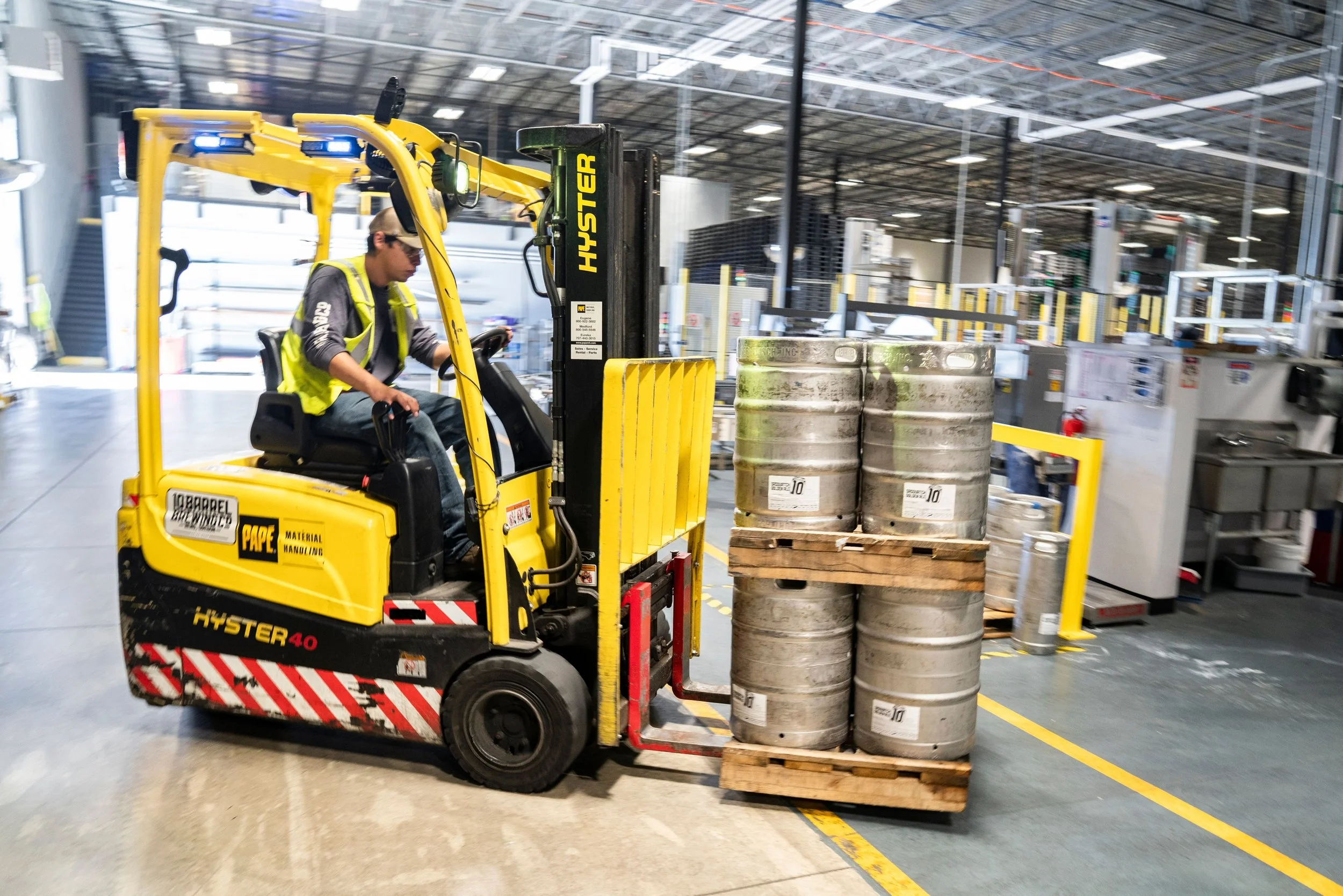
• On-time performance. A strong track record of on-time pickups and deliveries reflects operational discipline, not luck. Ask for real performance data, not just a promise.
• Proactive communication. The right partner flags delays before they become problems. Waiting for a customer to ask for an update is a red flag.
• Driver professionalism. Drivers represent the business at every stop. Trained, consistent drivers reduce mishandling and reflect well on the brand they're delivering for.
• Real-time tracking technology. Visibility into pallet location and status builds trust and helps businesses plan around deliveries with confidence.
• Scalability. A capable partner handles one pallet or a hundred without a drop in service, supporting businesses as their shipping needs grow.
Choosing a partner on these criteria, rather than price alone, protects freight and the relationships built around it.
Reach Out for Your Pallet Shipping Service Needs
Late pickups and poor communication can derail even the best-prepared pallet shipment. At 24/7 Enterprises, we built our pallet shipping service around reliability, real-time tracking, and proactive updates, so businesses always know where their freight stands. Our professional drivers and dedicated routes keep commercial freight moving on schedule, without the guesswork. Get in touch with us today and see how we can support your next shipment.