
How Pallet Freight Shipping Improves Efficiency for B2B Distribution
TEfficient B2B distribution relies on speed, accuracy, and predictability. When a single delayed shipment can disrupt an entire supply chain, regional distributors cannot afford operational gaps. Using pallet freight shipping helps solve this vulnerability by securing bulk commercial goods onto pallets, which are flat transport platforms used to consolidate and move freight more efficiently.
A key component of pallet freight shipping is unitizing, the practice of securing multiple items into a single load for easier handling and transport. By creating a more stable freight configuration, unitizing helps ensure smoother movement from the warehouse floor to the destination. In this article, we'll explain how pallet freight shipping optimizes warehouse turnaround times, reduces overall operational spend, and protects shipment integrity.
Minimizing Transit Risks Using Pallet Freight Shipping
Protecting material assets during industrial transport requires a shift from fragmented handling to a unified system. For critical business-to-business distribution networks, transit damage compromises downstream operations, breaks contract service level agreements, and stalls manufacturing or clinical lines.

Minimizing transit risks using pallet freight shipping establishes a secure environment that safeguards bulk commercial inventory from unexpected physical shocks through three main mechanisms:
Mitigating Mechanical Shock. Unitizing industrial cargo, or securing multiple items into a single palletized load, creates structural stability that helps protect heavy goods from transit vibrations. This enables logistics companies to stabilize large commercial loads onto a uniform base, lowering internal friction during highway transport.
Reducing Material Touchpoints. Loose cargo demands constant manual sorting at every regional distribution transfer hub. Stacking inventory onto unified platforms allows heavy machinery to manage transfers. As a result, this keeps individual business commodities safely out of harm's way.
Preventing Environmental Exposure. Consolidating sensitive B2B inventory into uniform blocks protects valuable commercial freight from external elements. This layout makes product tampering obvious, helping commercial distributors maintain complete batch integrity before final delivery.
Accelerating Loading Times and Cross-Dock Operations
Speed at the warehouse loading dock dictates the momentum of your entire business. When incoming shipments are loaded box by box, delivery drivers sit idle for hours, racking up detention fees and throwing off tight schedules. Moving goods via standardized platforms completely changes this dynamic by turning a chaotic unloading process into a fast, mechanical operation through three main efficiencies:
Slashing Dock Detention Fees. Unloading loose boxes manually is a slow, exhausting process that drains warehouse labor. By moving cargo on uniform platforms, forklifts can clear an entire trailer in under thirty minutes. As a result, this gets drivers back on regional routes quickly.
Making Cross-Docking Seamless. Modern distribution relies on moving inbound freight directly to outbound final-mile trucks with zero storage time. This strategy relies heavily on streamlining regional product movement to ensure uniform loads move across the floor instantly without breaking down packages.
Simplifying Commercial Receiving. High-volume receiving facilities operate on strict timetables and tight labor budgets. By delivering predictable, forklift-ready cargo, providers can speeds up administrative check-ins and intake verification. Consequently, this keeps your relationships with facility managers running smoothly.
Maximizing Trailer Space (Cube Utilization) to Lower Total Cost-to-Serve
Managing thin margins in bulk commercial distribution requires making the most of available trailer space. In logistics, this is often called cube utilization, the practice of maximizing the amount of usable cubic space inside a trailer. When cargo is shipped in irregular, loose packaging, it creates unstackable dead space that increases the overall number of required trips.
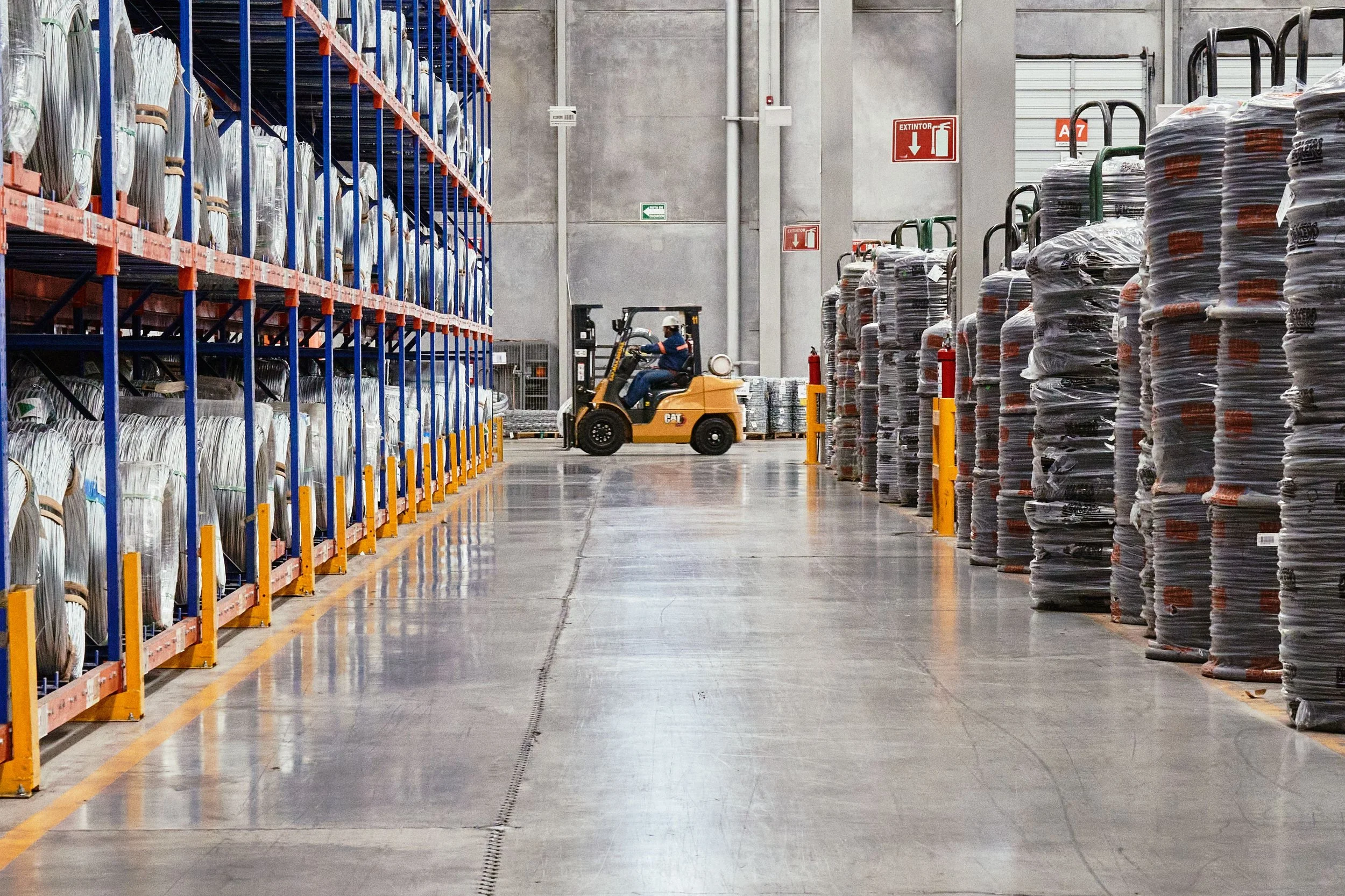
Maximizing cube utilization to lower total cost-to-serve depends heavily on stacking uniform, structured dimensions. This layout allows logistics teams to fill every cubic inch of transport space through three financial advantages:
Eliminating Wasted Trailer Space. Loose or oddly shaped packages leave empty gaps near the top of a container that cannot support weight. Standardized platforms also create flat, rigid tops that allow logistics teams to stack cargo safely right up to the trailer ceiling.
Lowering Per-Unit Freight Costs. Better cube utilization allows businesses to move more products in a single shipment, spreading transportation costs across a larger volume of goods. Shipping dense, predictable configurations allows distributors to maximize their weight thresholds and reduce the total number of trucks needed on the road.
Preventing Accessorial Carrier Fees. Commercial carriers penalize shipments that are difficult to load or require special handling inside the vehicle. Delivering perfectly uniform, stackable freight ensures predictable pricing structures and eliminates unexpected warehouse or dimensional weight surcharges.
Enhancing Traceability and Chain of Custody
Maintaining visibility over large commercial inventories requires an organized tracking structure. When bulk shipments move across multiple regional distribution centers, tracking thousands of separate pieces individually creates blind spots. Transitioning to pallet freight shipping simplifies this process by assigning data tracking protocols to entire unified cargo blocks rather than fragmented units.
This standardized approach enables logistics managers to monitor multi-ton shipments using three core visibility controls:
Assigning Single-Unit Identifiers. Grouping individual B2B goods onto one platform allows teams to use a single license plate bar code ID. According to GS1 global traceability standards, scanning unified transport units ensures accurate real-time inventory updates across automated warehouse networks.
Verifying Regulatory Compliance. Heavy commercial sectors like healthcare distribution require strict accountability for compliance audits. Maintaining a verified chain of custody guarantees that high-value business assets remain accounted for from the manufacturing floor to the final commercial delivery.
Preventing Inventory Shrinkage. Bulk business materials that sit loose in cargo trailers are highly vulnerable to misplacement or inventory loss. Securing commercial orders into dense, wrapped blocks means inventory counts remain intact, protecting distributor margins during transit.
Scaling B2B Distribution with Pallet Freight Shipping
Unreliable transport networks create costly delays and damaged shipments that disrupt B2B distribution. We solve these vulnerabilities at 24/7 Enterprises by providing dependable final-mile, LTL, and dedicated route services.
Our team uses advanced package tracking technology and strict handling protocols to ensure operational transparency and secure cargo integrity from dock to destination. Contact 24/7 Enterprises today to build a consistent, professional delivery strategy for your distribution network.