
What Is LTL Shipping? How Businesses Use It to Move Freight Efficiently
What is LTL shipping, and why do businesses use it to move freight efficiently? For companies shipping more than parcel loads but less than a full truckload, LTL (less-than-truckload) shipping offers a practical middle ground. It helps businesses move freight without paying for unused trailer space.
This flexibility matters when shipment sizes vary and costs need to stay under control. For many businesses, LTL provides an efficient way to move freight while keeping shipping plans flexible.
What LTL Shipping Means in Practical Terms
LTL shipping is a freight model where multiple customers share space in the same truck. Each shipper pays only for the trailer space their freight uses. This makes LTL a strong fit for shipments too large for parcel delivery but too small for a full truck.
This setup solves a common shipping challenge. Many businesses need regular freight service but do not always have enough volume to justify a dedicated truck. LTL fills the gap between parcel delivery and full truckload shipping.
In daily operations, LTL works well for palletized freight, recurring shipments, regional deliveries, and restocking. It gives businesses a way to move freight efficiently without paying for unused space.
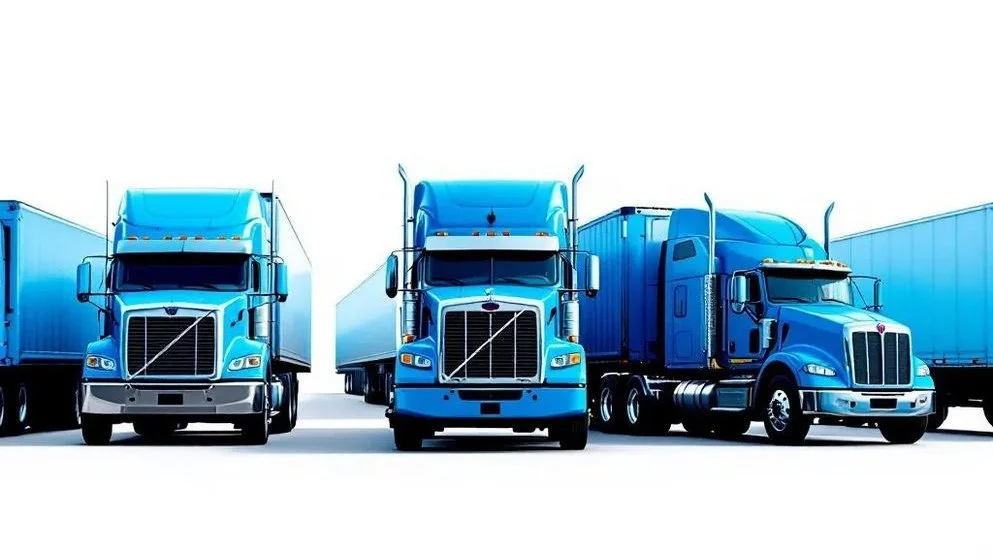
When Businesses Choose LTL Instead of Full Truckload
Businesses choose LTL when a shipment is too large for parcel but not large enough for a full truck. This often applies when moving a few pallets, transferring products between locations, or shipping inventory without waiting to build a full load.
LTL also gives businesses more flexibility in how they plan freight. Instead of waiting to fill a truck, they can ship what is ready and keep operations moving.
Cost control is another key reason businesses rely on LTL. If a shipment does not fill a trailer, paying for a full truck means paying for unused space. LTL reduces that waste by charging only for the space used.
Over time, this can make a meaningful difference, especially for businesses that ship frequently but in smaller volumes. It also reduces the need to delay shipments just to build a larger load.
For businesses balancing service, timing, and cost, LTL is a practical and efficient option.
Common Freight Options and When LTL Makes Sense
Businesses choose freight options based on shipment size, timing, and handling needs. Here’s a few freight options that are commonly used:
Parcel shipping works best for small boxes and light shipments.
Full truckload shipping is best when a shipment uses most or all of a trailer.
Dedicated routes are ideal for recurring deliveries that require a fixed schedule and more direct control.
LTL shipping fits between parcel and full truckload. It is often the best option for palletized freight, packaged goods, equipment, replacement parts, and restocking shipments that are too large for parcel shipping but too small for a full truck.
For businesses trying to move freight efficiently, LTL can be a practical choice when shipment sizes vary and cost control matters. 24/7 Enteprises’ trucking solutions highlights support for LTL freight, local and long-distance routes, freight staging, and specialized equipment for loads that require sensitive handling.

Why Visibility and Coordination Matter in LTL Shipping
Because LTL shipments move through a shared freight network, visibility is especially important. Businesses need to know where the shipment is, when it should arrive, and whether anything has changed during transit. Without it, planning for receiving, staffing, and downstream delivery becomes more difficult.
This is why tracking and communication matter in LTL shipping. Real-time shipment visibility, delivery updates, ETA notifications, and confirmation details help customers stay informed and reply to scheduling adjustments.
Thankfully, logistics services like 24/7 Enterprises offer real-time tracking, prompt delivery notifications, portal access, and delivery confirmation to its customers. For businesses that depend on time-sensitive freight, this level of visibility can make daily operations easier to manage.
For businesses that want more flexibility in how they manage freight, LTL can be a smart fit for your business needs. For teams looking for dependable freight support, 24/7 Enterprises has you covered. The company provides trucking solutions and real-time tracking technology that support visibility, coordination, and efficient delivery planning across every stage of the shipment.
Contact 24/7 Enterprises today to learn more about improving consistency, reducing delays, and strengthening your overall freight operations.