
How Warehouse Storage Solutions Improve Flexibility in Supply Chain Operations
Businesses today face constant shifts in demand, seasonal surges, and unpredictable growth. Warehouse storage solutions give supply chains the flexibility to handle these changes without delays or added costs.
This flexibility matters even more for healthcare providers, distributors, and B2B companies that depend on precision. After all, storage isn't just about space. It's also about protecting product integrity, meeting deadlines, and scaling operations without disruption.
This article breaks down why flexible storage matters and which core solutions drive that flexibility. We’ll also go over what to look for when choosing a warehousing partner you can rely on.
The Role of Warehouse Storage Solutions in Supply Chains
Warehouse storage solutions are often seen as a simple holding point between production and delivery, but its role runs much deeper. A well-managed facility keeps products protected, organized, and ready to move at the right time. It also directly influences how efficiently goods travel through the rest of the supply chain, supporting transportation and distribution efficiency at every stage.
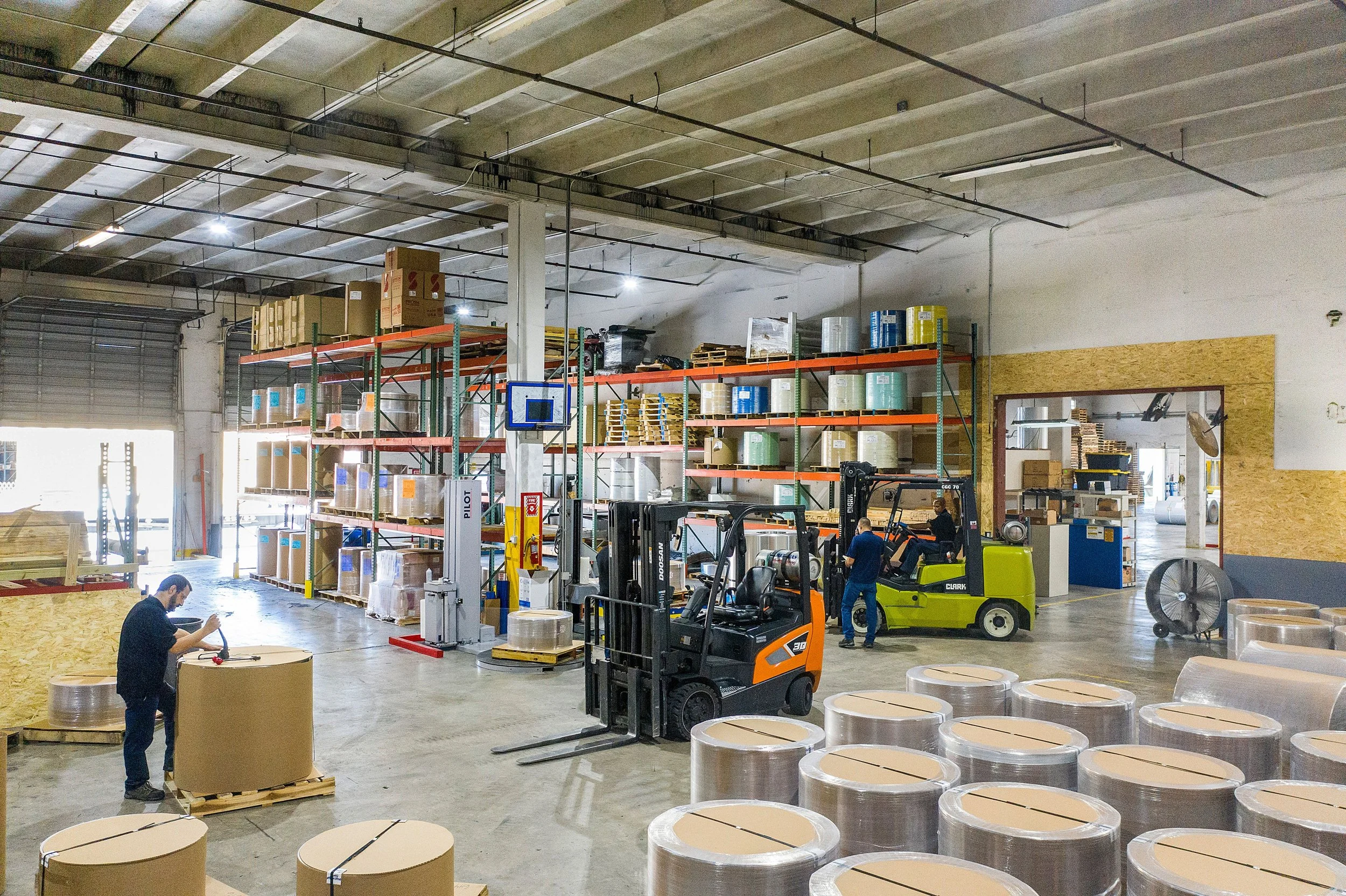
Warehouse storage plays a few important roles that keep supply chains running smoothly:
• Safekeeping. Protects products from damage, loss, or spoilage while they wait for the next step in the supply chain.
• Inventory Accountability. Keeps stock tracked and organized, so businesses know exactly what they have and where it is at all times.
• Error Reduction. Minimizes stock discrepancies and picking mistakes through accurate inventory management and organized storage.
• Faster Delivery. Speeds up order fulfillment by making it easier for teams to locate, pick, and pack items quickly.
• Operational Continuity. Keeps supply chains moving even during demand spikes or unexpected disruptions.
Together, these functions support accuracy, accountability, and speed across the entire supply chain.
Core Warehouse Storage Solutions That Drive Flexibility
Flexibility in the supply chain comes from having the right warehouse storage solutions in place. Each solution addresses a different operational need, and together they give businesses the ability to adapt quickly. Here are the core warehouse storage solutions that help businesses stay efficient, responsive, and ready for changing demand.
Short-Term vs. Long-Term Storage
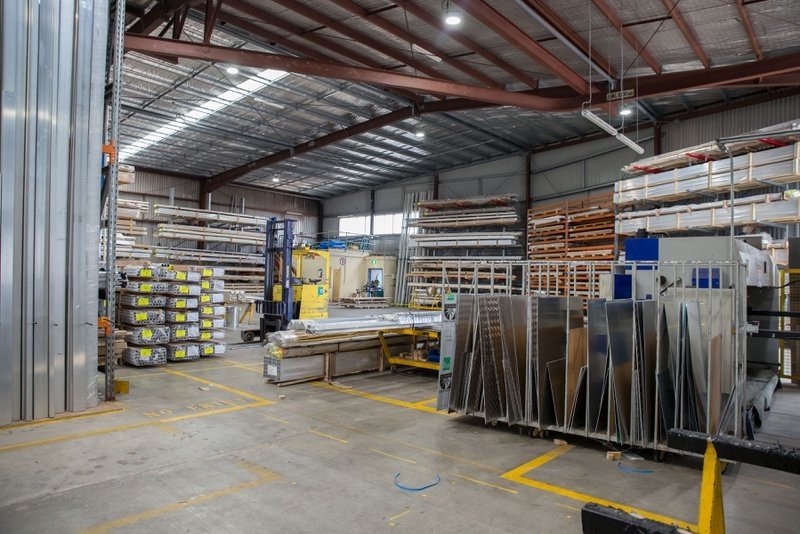
Business needs change by season, project, or demand cycle. Short-term warehouse storage solutions support temporary overflow or seasonal inventory, while long-term storage preserves product quality for extended periods. Having both options available means businesses aren't locked into a single storage model.
Inventory Control
Accurate inventory tracking starts with barcode or RFID scanning, so every item is logged the moment it enters or leaves the warehouse. This creates a live record of stock levels, locations, and movement across the facility. Regular cycle counts then verify that physical inventory matches system data, catching discrepancies before they become larger problems.
That level of detail gives businesses real-time visibility into what they have on hand and where it's stored. This visibility supports better planning, faster decision-making, and fewer surprises during audits or peak demand periods.
Picking, Packing, and Order Fulfillment
An efficient fulfillment process starts with an organized warehouse layout, where fast-moving items are stored for easy access. Pickers use that layout, along with inventory data, to locate items quickly and accurately. Orders are then verified, packed securely, and matched with the right shipping method before they leave the facility.
This structured process keeps fulfillment consistent, even during high-volume periods. It also reduces mis-picks and shipping errors, which helps protect delivery timelines and customer trust.
Palletizing and SKU Segregation
Correct palletizing involves stacking and securing items by weight, size, and stability, then shrink-wrapping loads to prevent shifting during transit. SKU segregation goes a step further, keeping individual products or client inventory clearly separated within the warehouse.
Together, these practices reduce the risk of damage and make it easier to manage multiple products or clients within the same facility. This level of organization in warehouse storage solutions supports accuracy at scale, even as inventory volume grows.
Reverse Logistics
Returns are a reality for most businesses. A strong reverse logistics process starts with an intake step, where returned items are inspected, logged, and sorted for restocking, repair, or disposal.
From there, items are either returned to inventory or processed according to the client's specific requirements. Handling returns this way, whether collected from customers or received directly at the warehouse, keeps the process efficient and protects overall inventory accuracy.
Build a More Flexible Supply Chain with 24/7 Enterprises
Rigid storage slows businesses down, especially when demand shifts or inventory needs grow unexpectedly. Without the right systems in place, that rigidity leads to delays, errors, and rising costs across the supply chain.
At 24/7 Enterprises, we help businesses avoid that disruption with flexible warehouse storage solutions built around real operational needs. From short- and long-term storage to inventory control, order fulfillment, palletizing, and reverse logistics, we give businesses the tools to scale without sacrificing accuracy or speed.
Our team brings the same reliability and accountability to every shipment and every storage plan. Let us help you build a warehousing strategy that keeps your supply chain moving. Contact us today to get started.