
How Warehousing Supports Transportation and Distribution Efficiency
In the logistics industry, transportation is the engine, but strategic warehousing is the navigator that ensures that you deliver every shipment with precision. Without a dedicated storage and staging strategy, businesses often face internal chaos that results in late pickups and fragmented communication. These gaps in the supply chain make it nearly impossible to maintain a professional chain of custody or scale operations effectively.
This article outlines why warehousing is a fundamental component of a successful transportation and distribution model. We will explore how these services provide the infrastructure necessary to improve reliability and operational accountability for businesses in any sector.
Regional Hubs and the Reduction of Final-Mile Lead Times
A facility’s physical location is the most influential factor in meeting tight delivery windows for healthcare and industrial networks. Utilizing regional warehousing solutions allows businesses to stage inventory closer to the end-user rather than shipping from a distant central hub. This proximity is the only way to consistently guarantee the speed required for time-sensitive logistics.
Positioning goods near the target market effectively eliminates the long-haul transit times that often lead to late pickups. When warehousing is local, the final-mile transition becomes a short, predictable sprint rather than a logistical gamble.
This geographic advantage allows for a much more responsive delivery model that can handle last-minute requests with ease. It also provides a buffer against the unpredictability of regional traffic and infrastructure delays.
Having a dedicated space for warehousing in a specific territory ensures that drivers can begin their routes already deep within their service area. The result is a significant reduction in lead times and a measurable increase in overall distribution reliability.
Cross-Docking to Accelerate Distribution Momentum
Efficiency in transportation often depends on how quickly goods move through a facility without being tucked away into long-term storage. Cross-docking is a specific warehousing strategy where products are unloaded from an incoming vehicle and loaded directly onto outbound trucks. This process minimizes handling time and keeps the supply chain in constant motion.

This method supports distribution efficiency through several key functions:
Minimizing Idle Time: By removing the traditional storage phase, businesses can significantly reduce the risk of internal chaos and misplaced orders. This lean approach to warehousing ensures that time-sensitive shipments, such as medical supplies, spend less time sitting in a facility.
Improving Operational Accountability: Accelerating the flow of goods through a facility helps maintain a high level of transparency. Every touchpoint is streamlined, which naturally reduces the potential for communication breakdowns or shipping errors during the warehousing process.
Enhancing Delivery Agility: Implementing these types of solutions allows for a seamless transition from the receiving dock to the final customer. It creates a more responsive distribution network that prioritizes speed and precision for every shipment.
Inventory Consolidation for Cost-Effective LTL Shipping
Handling transportation on a piecemeal basis often creates a financial burden. Strategic warehousing allows businesses to consolidate multiple smaller orders into a single, organized load before they hit the road. This process is essential for optimizing Less-Than-Truckload (LTL) shipping and reducing overall freight expenses.
By grouping products in a central facility, companies can build more efficient delivery routes that maximize vehicle capacity. This organized approach to warehousing ensures that every truck utilizes its full capacity. It directly addresses the common challenge of high shipping costs by spreading the overhead across a larger volume of goods.
Consolidation also reduces the number of individual touchpoints and pickups required throughout the day. Centralized warehousing simplifies the coordination between the storage team and the drivers, leading to fewer logistical errors. The end result is a more affordable and dependable distribution model that allows businesses to scale their reach effectively.
Digital Inventory Tracking for Proactive Delivery Updates
Modern distribution relies on total visibility, which begins the moment an item is scanned into a facility. Digital warehousing systems allow for the real-time monitoring of stock levels and movement, ensuring that information is accurate long before a truck is loaded. This technological foundation is what enables proactive updates and eliminates the frustration of poor communication.
Integrating digital tracking into the supply chain offers several critical advantages:
End-to-End Chain of Custody: Scanning items during the warehousing phase creates a permanent digital trail for every shipment. This is especially vital for healthcare and laboratory logistics where specimen integrity and strict accountability are non-negotiable requirements.
Reduction of Internal Chaos: Automated tracking removes the guesswork from inventory management and prevents the loss of time-sensitive goods. When warehousing data is digitized, teams can identify the exact location of any product, ensuring that loading and transport schedules remain on track.
Real-Time Client Transparency: Sharing data from the warehouse directly with the customer builds trust and operational authority. By leveraging advanced warehousing software, businesses can provide precise arrival estimates and status alerts, allowing clients to plan their own operations with confidence.
Streamlined Loading Processes for Higher Driver Productivity
Efficiency on the road is often won or lost at the loading dock before the engine even starts. Organized warehousing ensures that every pallet is staged and ready for immediate transfer the moment a vehicle arrives. This synchronization is key to maintaining a professional delivery schedule and high levels of driver retention.
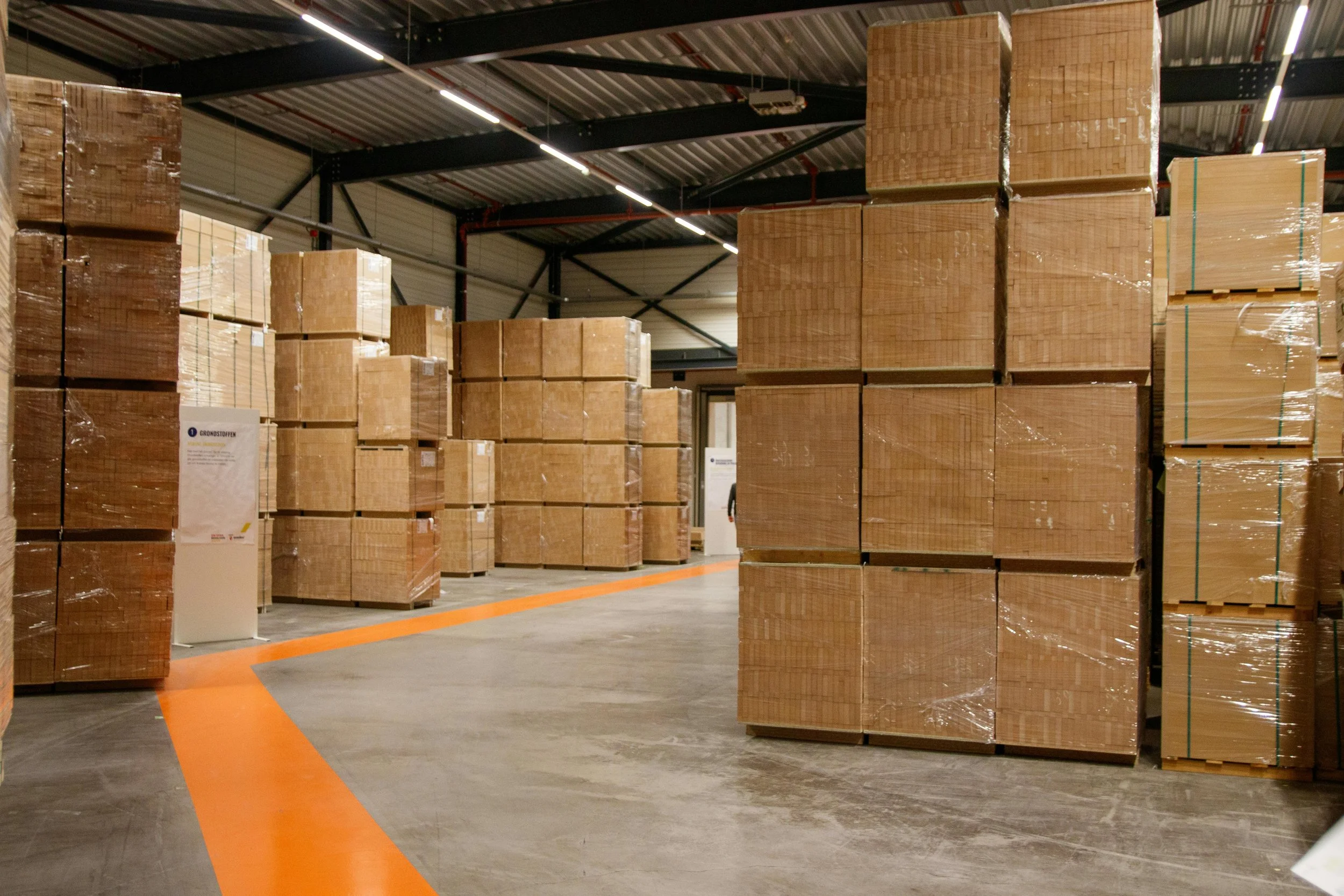
Optimizing the hand-off between the facility and the driver provides several operational benefits:
Minimizing Dock Delays: When warehousing operations are streamlined, drivers spend less time waiting and more time completing their dedicated routes. This efficiency reduces the likelihood of late pickups and ensures that time-sensitive medical deliveries remain on schedule.
Enhancing Driver Professionalism: A clean, organized approach to warehousing allows drivers to focus on their primary responsibility of safe and timely transport. Clear documentation and orderly loading empower the fleet to represent the brand with total accountability at the delivery point.
Boosting Daily Throughput: Rapid loading cycles allow a single driver to handle more volume without increasing their time on the clock. This level of warehousing precision is what allows a distribution network to scale effectively while keeping operational costs under control.
Partner With Us for Your Warehousing Needs
Building a resilient supply chain requires more than just transportation; it demands a strategic approach to warehousing that prioritizes precision and speed. By aligning your storage and distribution, you can eliminate operational chaos and ensure your shipments arrive on time, every time.
24/7 Enterprises is ready to help you optimize your logistics from the dock to the final mile. Contact us today to discuss custom warehousing and logistics solutions for your distribution needs.