
Warehouse Logistics: A Crucial Part of Operations, Not an Optional Expense
Warehouse logistics is a core operational function. It governs how inventory is stored, tracked, and moved to meet delivery timelines. Businesses that manage it well keep operations consistent, accurate, and scalable.
Many companies still underinvest in this function, treating it as a cost to control rather than a process to manage well. That approach leads to preventable errors, delays, and inefficiencies as operations grow. This article looks at what warehouse logistics involves, what poor execution costs a business, and what strong execution looks like in practice.
What Is Warehouse Logistics, Really?
Warehouse logistics is the coordinated management of inventory from the moment it arrives at a facility to the moment it leaves for delivery. However, it’s not just about having space to store goods. It’s about how that space is used to keep operations accurate, efficient, and ready to scale.
That coordination involves a few core functions that work together:
• Inventory Control. Knowing what’s in stock, where it’s located, and how it moves keeps operations running smoothly. Without accurate tracking, businesses risk overstocking, shortages, and fulfillment errors that are costly to fix.
• Storage Management. Different goods require different conditions to maintain their quality. Temperature control, proper organization, and careful handling all play a role, especially for sensitive or perishable items.
• Order Fulfillment. Once an order comes in, it needs to be picked, packed, and prepared for transport quickly and correctly. Slow or error-prone fulfillment creates delays that affect the entire supply chain.
• Distribution Coordination. Warehousing does not operate in isolation. It connects directly to outbound transportation, which means warehouse staff and delivery teams need to stay in sync to avoid unnecessary holdups.
• Reverse Logistics. Returns and damaged goods need a clear process for intake, inspection, and next steps. Without one, inventory accuracy and customer satisfaction both suffer.
Some businesses need more than standard storage to meet these demands. For products with unique handling or security requirements, specialized warehouse services offer the flexibility to store inventory under the right conditions.
The Real Cost of Poor Warehouse Logistics
Poor warehouse logistics does not announce itself right away. It shows up gradually, in missed shipments, inaccurate stock counts, and orders that go out late or incomplete. By the time the pattern is obvious, it has already cost the business money and trust.
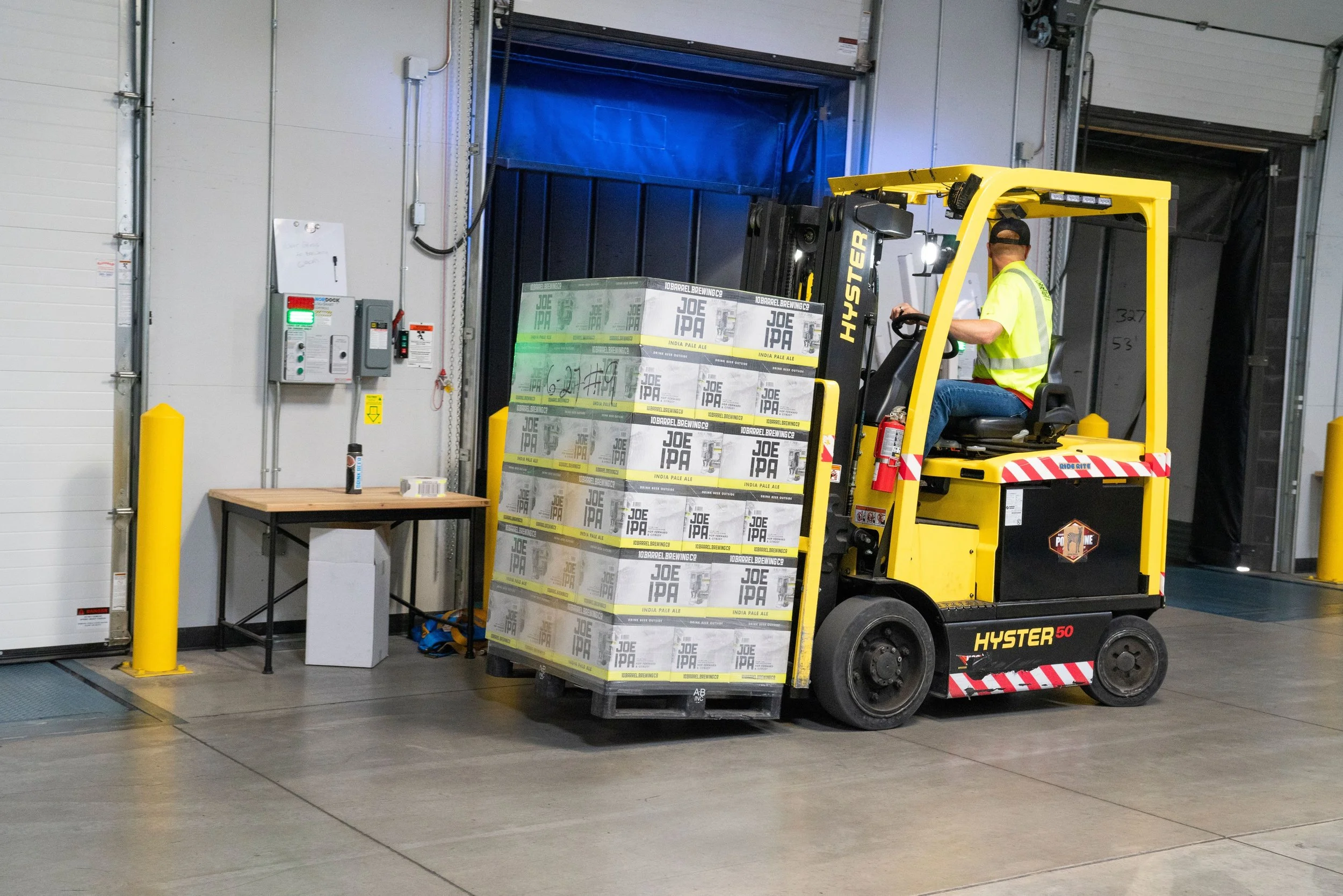
These costs tend to fall into a few consistent categories:
• Inventory Errors. Inaccurate stock tracking leads to overstocking, understocking, or both at once. Carrying excess inventory alone can cost 15% to 30% of a product's value annually, according to Innovapptive.
• Fulfillment Delays. A single late pickup or packing mistake can throw off an entire delivery schedule. For clients in healthcare, lab services, or distribution, that delay often becomes a delay for their own customers or patients.
• Product Damage or Loss. Items that require specific handling or temporary holding, such as overflow inventory, need proper facility conditions to stay intact. Without that, businesses risk spoilage, damage, or loss that eats directly into margins.
• Strained Client Relationships. Repeated errors or missed deadlines wear down trust over time. Clients who cannot rely on consistent execution eventually look elsewhere.
None of these costs stay contained to the warehouse. They surface in customer complaints, missed deadlines, and lost business, making logistics a direct driver of the bottom line rather than a background function.
Why Warehousing and Transportation Can't Be Separated
Good storage only pays off if it holds up once goods leave the building. Warehouse logistics and transportation function as one continuous process, and a failure at the handoff point undoes the work done inside the facility. Businesses that separate the two operationally tend to lose the value each one is supposed to protect.
That dependency shows up in a few specific ways:
• Condition Continuity. Products stored under specific conditions, like temperature control, need that same care during transport. A gap between the two stages can undo the protection maintained in storage.
• Route and Load Planning. How goods are picked and packed directly affects how efficiently they can be loaded and routed for delivery. Poor coordination here adds unnecessary stops, delays, and added cost.
• Live Shipment Visibility. Tracking that stops at the warehouse door leaves a blind spot the moment a shipment is on the road. Extending that same visibility through delivery lets issues get caught before they reach the client.
This is why warehousing supports transportation and distribution efficiency: the two are stages of one process, not separate departments handing off responsibility.
Businesses that manage warehousing and transportation together see fewer delays and fewer surprises. The moment one operates apart from the other, the rest of the supply chain becomes harder to predict.
What Strong Warehouse Logistics Looks Like in Practice
Strong warehouse logistics is not about having the biggest facility or the most technology. It comes down to consistent execution across every stage, from intake to final delivery. The businesses that get this right treat it as a discipline, not an afterthought.

A few practices consistently separate strong operations from weak ones.
• Accurate, Real-Time Inventory Tracking. Systems that update stock levels as items move in and out prevent costly discrepancies. This accuracy gives businesses the ability to make purchasing and fulfillment decisions without second-guessing the numbers.
• Trained, Accountable Staff. Warehouse and driver teams who understand handling procedures reduce errors and damage. Accountability at this level keeps operations consistent even during high-volume periods.
• Condition-Specific Storage. Facilities equipped to handle temperature-sensitive, fragile, or high-value goods protect product integrity from intake through storage. This matters most for industries where a compromised item is not just a loss but a liability.
• Proactive Communication. Clients should not have to chase updates on their shipments. Strong operations flag issues before they become problems and keep clients informed without being asked.
• Scalable Processes. Systems and staffing built to handle growth prevent the breakdowns that come from outgrowing a warehouse's original capacity. This keeps service quality consistent whether volume is steady or spiking.
Every one of these practices reinforces the others. A business that falls short in even one area tends to feel the strain elsewhere in the operation.
Making Logistics Work for Your Business
Warehouse logistics determines how well a business meets its delivery promises, protects its inventory, and scales without breaking down. Treating it as a core function rather than a cost center pays off in fewer errors, stronger client relationships, and smoother operations. The businesses that invest here consistently outperform those that do not.
At 24/7 Enterprises, we combine secure warehousing with dependable transportation to keep inventory protected and moving on schedule. Our team also handles storage, fulfillment, and delivery as one connected system, backed by real-time tracking and accountable staff. Contact us to see how we can support your warehouse logistics needs.