
Why Temperature Controlled Shipping Is Critical for Medical Specimens and Pharmaceuticals
Temperature controlled shipping is not just about keeping a package cool. It is about maintaining the right conditions from pickup through delivery. For medical specimens and pharmaceutical transport that need to ship temperature-sensitive items, having the temperature move outside ideal conditions may render the shipment unusable.
For hospitals, laboratories, pharmacies, and healthcare networks, this risk is serious. Specimens may need to be recollected, and medications may need to be replaced. Staff may spend valuable time resolving preventable issues instead of focusing on patient care. This is why temperature control is more than a shipping detail. It helps businesses remain at ease that their shipment will be delivered in one piece.
Different Medical Shipments Require Different Temperature Ranges
Some items can move at room temperature, while others require refrigerated or frozen transport. Blood samples, tissue, vaccines, specialty medications, and other lab materials each have specific temperature requirements.
This is why temperature control in healthcare logistics requires the right method for each type of shipment. A package can arrive on time and still be unusable if it is transported under the wrong conditions. Healthcare teams need a delivery process built around the shipment, not just the route.

Temperature Controlled Shipping Helps Protect Specimen Integrity
Speed matters in specimen transport, but it does not protect the sample on its own. A specimen can move quickly and still be compromised if temperature is not maintained. Teams may not notice the problem right away, but it can later cause testing delays or inaccurate results.
For laboratories, clinics, and hospitals, this can disrupt daily work. Teams may need to recollect specimens and repeat processing. This adds pressure and disruptions to already busy workflows. This is why many organizations rely on a specialized laboratory courier service for diagnostic shipments.
It also highlights the importance of chain of custody and careful handling. A specimen is not a standard shipment. It is a time-sensitive item tied directly to diagnostic work. If compromised, the impact can extend beyond the shipment itself.
Pharmaceutical Shipments Need Security, Stability, and Accountability
Pharmaceutical shipments come with their own set of challenges. Many are temperature-sensitive, time-sensitive, regulated, and high value. Because of this, the delivery process must go beyond basic transport.
Pharmacies, healthcare providers, and distributors need confidence in how shipments are handled end to end. They need assurance that shipments stay within range, move on schedule, and reach the correct location without delays. A dedicated pharmaceutical courier service helps support that level of control.
This level of accountability is critical when shipments support patient treatment, inventory management, or urgent restocking. A stable process reduces uncertainty and improves coordination.
Poor Temperature Control Can Drive Up Operational Costs
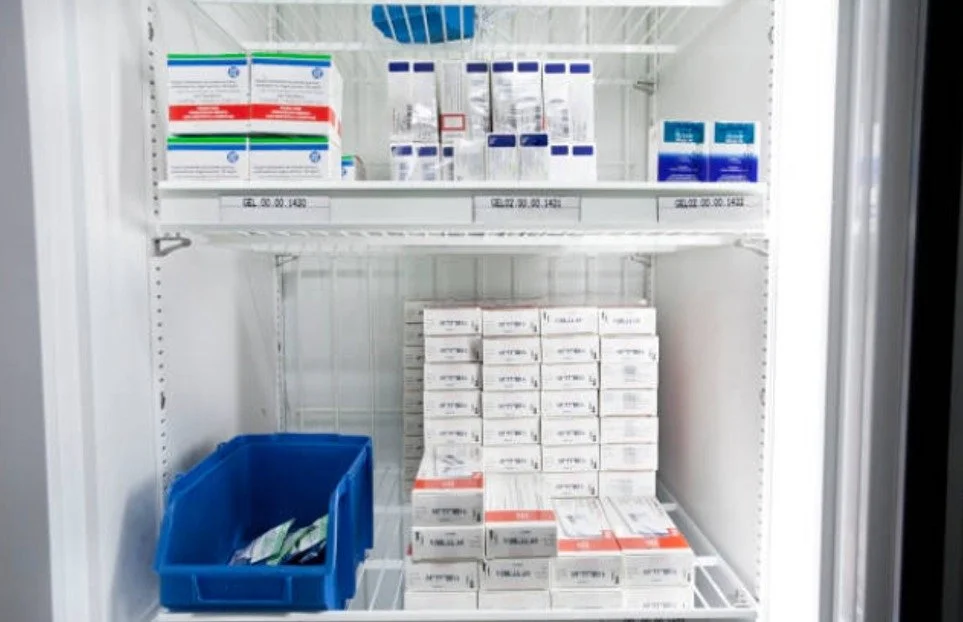
When temperature control fails, the cost often goes beyond the shipment itself. A compromised specimen can disrupt staff schedules and testing timelines. A compromised pharmaceutical shipment can lead to replacement costs, inventory issues, and service delays.
These issues also create indirect operational costs. Staff may spend more time solving problems, coordinating with vendors, or changing next steps for patients and internal teams. Over time, these disruptions can make operations harder to manage. This is why temperature controlled shipping should be treated as an operational safeguard, not just a transport feature.
Many organizations already work hard to control cost, reduce waste, and keep workflows moving. Preventable shipping failures can put more strain on that effort. Protecting the shipment also protects the broader workflow.
Visibility Helps Teams Respond Faster When Issues Arise
In medical logistics, the challenge is not always the shipment. Sometimes the bigger issue is limited visibility. If teams do not know where the shipment is, who has it, or whether it is on time, even small delays can create uncertainty.
This is why tracking and communication matter alongside temperature control. Real-time tracking tools help teams monitor progress, confirm delivery, and respond quickly when timing is critical. In healthcare logistics, better visibility improves coordination across teams.
Visibility also improves accountability. When customers can track shipments, receive updates, and confirm delivery details, confusion is reduced and communication gaps become easier to manage. This makes the delivery process easier to manage.
Why Temperature Controlled Shipping Supports Better Healthcare Logistics
Temperature controlled shipping helps healthcare organizations protect sensitive materials, reduce waste, and improve day-to-day reliability. It supports better outcomes for both shipments and the teams that depend on them.
For organizations handling sensitive shipments, speed is only part of the job. They also need the right shipping conditions, clear tracking, and dependable handling from start to finish.
For teams that want stronger shipping reliability, 24/7 Enterprises offers support that fits the needs of healthcare and time-sensitive logistics. Contact 24/7 Enterprises to learn more.