
Freight Remediation: How Reliable Logistics Keeps Supply Chains Moving After Disruptions
Weather delays, carrier capacity shifts, and unexpected route bottlenecks frequently threaten tight delivery schedules. When these vulnerabilities surface, high-stakes industries rely on proactive freight remediation to rescue stalled cargo and maintain reliable logistics. Securing the supply chain during a crisis requires immediate intervention rather than standard transport solutions.
This guide breaks down the core operational pillars that ensure consistent delivery performance under pressure. It also examines how specialized recovery services correct transit failures and protect critical networks from the fallout of unexpected disruptions.
Components of Reliable Logistics Services
Reliable logistics is defined by precision, consistency, and the ability to maintain predictable delivery schedules despite volatile market conditions. This operational standard relies on consistent execution, proactive communication, and absolute accountability at every stage of transit. When these elements function properly, a transportation network can absorb sudden disruptions without compromising client timelines.
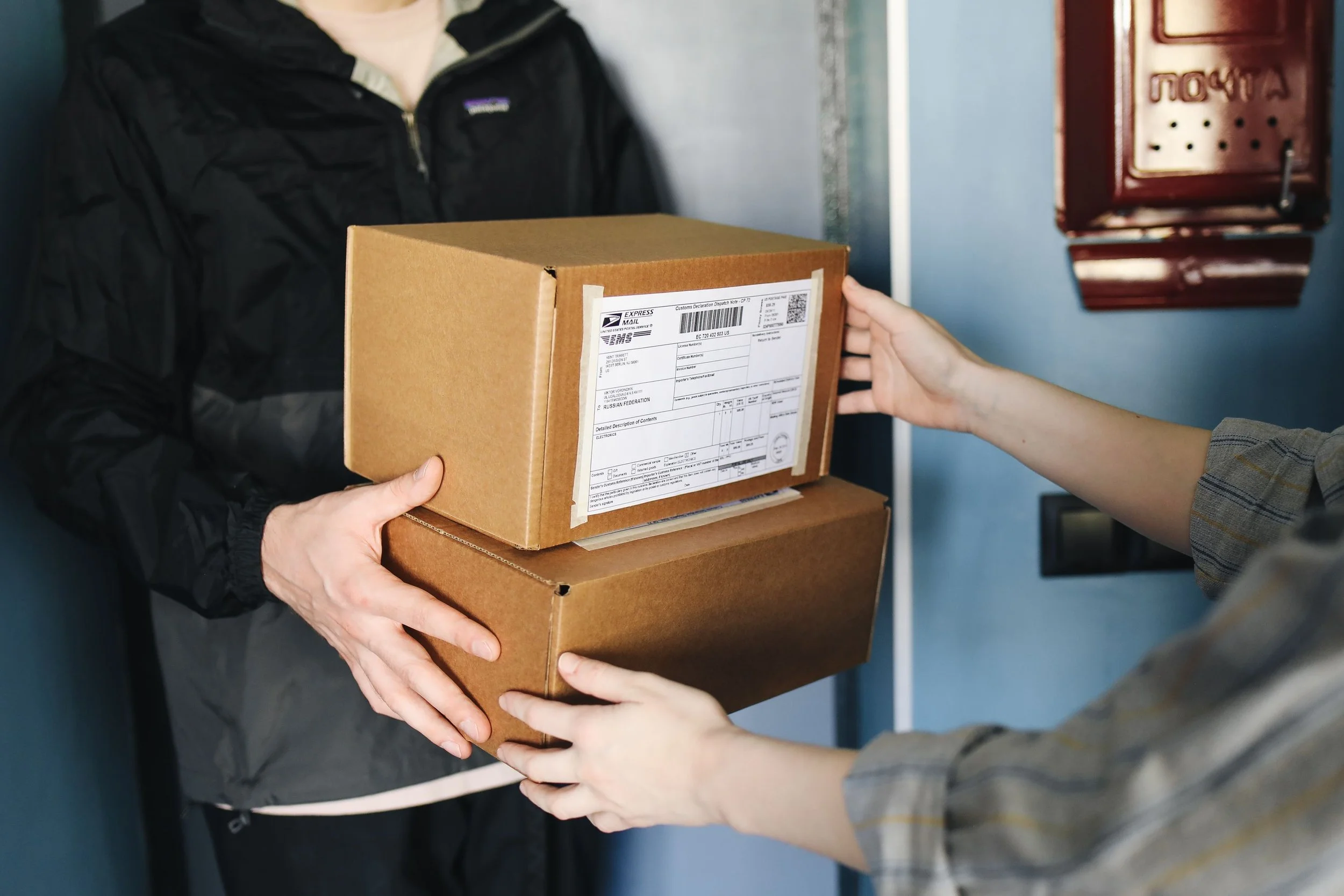
The following foundational components serve as the framework for sustaining these high performance standards:
Agile Supply Chain Management. Integrating flexible asset utilization with real-time data visibility allows managers to detect transit delays early. This constant tracking ensures that specialized recovery plans can be deployed immediately before a minor bottleneck becomes a major supply chain failure.
Optimized Warehousing Operations. Strategic regional hubs provide the inventory control and staging areas necessary to manage fluid shipping volumes. Clean, secure facilities ensure that high-stakes cargo remains protected and organized when transit schedules must be adjusted mid-route.
Professional Driver Accountability. Handling specialized freight requires courier personnel who understand strict compliance, precise timing, and precise temperature or safety protocols. Reliable logistics providers ensure that critical shipments maintain physical integrity during unexpected rerouting or complex handoffs.
However, real-world variables mean that even the most meticulously planned frameworks can occasionally experience a system failure. When an unpredictable disruption compromises one of these structural components, standard shipping methods are no longer sufficient to safeguard operations. Bridging that operational gap requires a specialized approach known as freight remediation, which steps in to actively fix the breakdown and stabilize the distribution network.
Understanding Freight Remediation
Freight remediation refers to the intervention required to correct a shipping failure, intercept a delayed transit leg, or salvage a broken delivery schedule. It entails the rapid deployment of secondary transportation assets, real-time routing adjustments, and intensive tracking to ensure reliable logistics under crisis conditions. Rather than waiting for a delayed shipment to slowly resolve itself, this process actively overrides the breakdown to secure the cargo.
Several critical operational scenarios routinely require this level of immediate corrective action:
Primary Carrier Abandonment. National or third-party carriers may suddenly experience capacity overloads, missed pickups, or terminal delays that leave time-sensitive shipments stranded at regional hubs.
Compromised Environmental Control. Sensitive cargo, such as medical specimens or laboratory materials, faces imminent degradation if a vehicle experiences a cooling system malfunction or an extended transit delay.
Downstream Supply Chain Bottlenecks. Missing a specific delivery window can cause a cascading failure, stalling production lines for industrial manufacturers or creating severe stockouts for wholesale distributors.
How Freight Remediation Helps in Disruption Recovery
When transit networks break down, active recovery solutions serve as a critical safety valve to prevent systemic operational collapse. Implementing specialized intervention strategies directly offsets the financial and administrative fallout of transport delays.
According to research published by World Economic Forum and industry analysts, businesses face a 27% annual probability of experiencing a significant supply chain disruption, making rapid recovery capabilities an operational necessity.
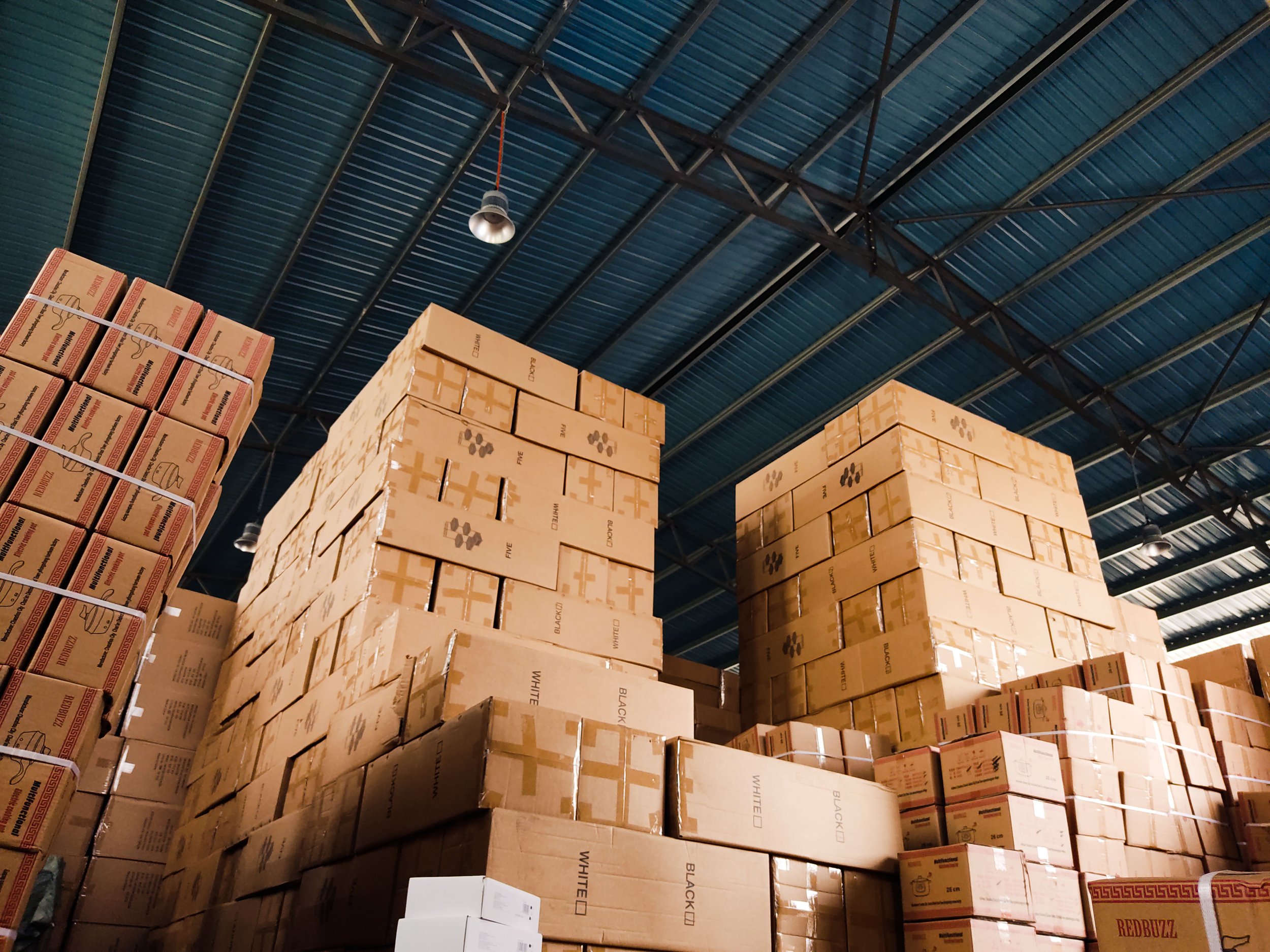
Deploying responsive freight remediation tactics helps stabilizing damaged distribution channels through several highly coordinated mechanisms:
Rapid Freight Interception. Specialized logistics providers actively track and intercept delayed cargo directly from a failing carrier's possession. This immediate handoff ensures that high-stakes shipments are extracted from bottlenecked terminals and placed back into motion before deadlines pass.
Agile Cross-Dock Staging. Using a regional cross dock facility allows handlers to immediately offload incoming, disrupted freight and sort it based on delivery priority. This rapid terminal turnover bypasses standard, time-consuming warehousing storage, moving cargo directly from one trailer to an active final-mile vehicle within hours.
Dedicated Route Substitution. When a primary transport leg fails completely, recovery services instantly establish dedicated substitute routes to complete the delivery. This custom routing provides a protected transit environment that safeguards strict compliance protocols and ensures overall reliable logistics for the final mile.
Discover Dependable Freight Remediation Services
Unexpected transport breakdowns can cripple an entire distribution network, but operations do not have to suffer from prolonged disruptions. At 24/7 Enterprises, we serve as a reliable logistics partner by stepping in to resolve critical transit failures immediately. Our team provides specialized final-mile delivery, secure healthcare courier services, and responsive freight remediation tactics designed to keep cargo moving seamlessly.
Reach out to our operations team today to establish a dependable contingency plan and protect your supply chain from disruptions.