
How Temperature Controlled Logistics Improves Reliability in Healthcare Supply Chains
Healthcare supply chains operate under immense pressure, where a single compromised shipment can directly impact patient care. When sensitive pharmaceuticals degrade or laboratory specimens spoil in transit, critical medical treatments may get delayed and diagnostic results may become less reliable. Implementing dedicated temperature controlled logistics solves these vulnerabilities by stabilizing environmental conditions and protecting vital assets from pickup to delivery.
This article examines the rigorous demands of medical supply chains. We’ll also demonstrate how specialized climate management stabilizes operations, protects assets, and ensures regulatory compliance.
Understanding the Zero-Tolerance Demands of Healthcare Supply Chains
Medical logistics operates under strict parameters where standard transport methods are completely inadequate. Managing these networks demands precise coordination and specialized temperature controlled logistics to prevent systemic bottlenecks and material deficits.

The primary demands that define modern healthcare networks include:
Compliance with Varying Regulations: Perhaps the most critical demand of healthcare logistics is that it must navigate a complex landscape of regional and national oversight bodies. Securing an unbroken chain of custody requires meticulous documentation and standardized handling protocols to satisfy strict audit requirements, such as guidelines enforced by the U.S. Food and Drug Administration (FDA).
Continuous Trackability of Supplies: Real-time visibility is vital for managing sensitive medical assets moving across regional networks. Knowing the exact location and status of inventory allows facilities to coordinate arrivals, optimize staff schedules, and eliminate the anxiety of unnotified delays.
Ensuring Zero Stockouts: Maintaining stable inventory levels is a critical priority for hospitals and pharmacies. Supply chains must run with absolute consistency because shipping delays or compromised products lead to sudden shortages of life-saving medications and medical devices.
Meeting these stringent criteria requires moving away from general freight options. Implementing specialized transport for healthcare industries ensures that medical shipments receive the dedicated climate equipment, advanced tracking technology, and trained personnel required to handle sensitive assets safely. When logistics providers prioritize these strict standards, healthcare facilities can scale their operations without risking the safety of their products or patients.
How Temperature Controlled Logistics Safeguards Supply Chain Reliability
Implementing rigorous temperature controlled logistics serves as the protective baseline that insulates sensitive medical cargo from environmental variables. By maintaining absolute climate stability during transit, this specialized operational framework directly neutralizes the risks of product degradation and delivery delays.
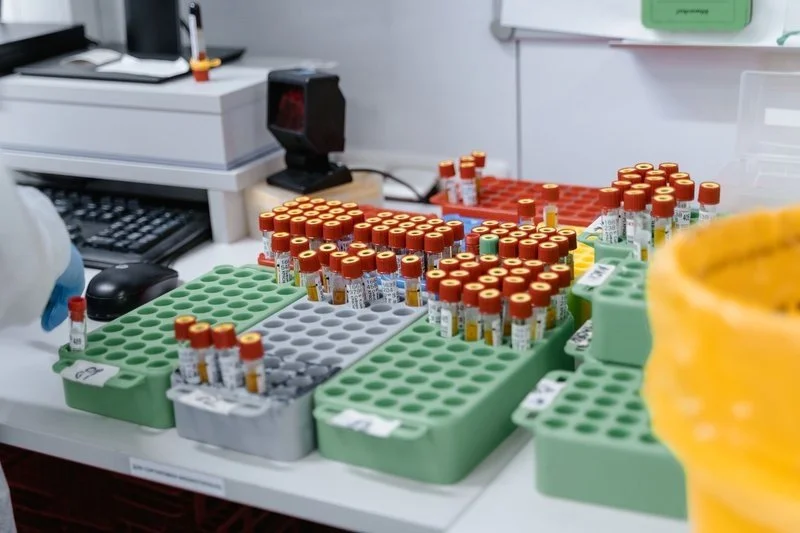
Below, we’ll break down the specific mechanisms through which continuous environmental management safeguards healthcare supply chain reliability, from clinical efficacy to regulatory compliance.
Enhancing Patient Safety and Treatment Efficacy
Maintaining strict thermal parameters prevents sensitive medical compounds from altering at a molecular level during transit. When biologicals or specialized pharmaceuticals face thermal variance, the products can become ineffective or dangerous to the recipient.
Distributing regulated health products through dependable temperature controlled logistics guarantees that medications remain stable. This disciplined care ensures that every batch performs exactly as intended when administered at the point of care.
Optimizing Diagnostic Operations and Laboratory Accuracy
Protecting laboratory specimens during transit from clinical collection sites to centralized testing facilities is vital for patient care. Environmental shifts can cause sample degradation, leading to high rejection rates and frustrating patient re-draws.
Continuous climate-controlled logistics stabilizes these delicate biological samples throughout the journey. Preserving specimen integrity accelerates diagnostic turnaround times and helps physicians initiate critical treatments much faster.
Minimizing Medical Waste and Inventory Disruptions
In-transit spoilage imposes a heavy financial burden on wholesalers and severely disrupts hospital operations. When specialized medical supplies are ruined by temperature spikes, facilities face sudden logistical gaps.
Using reliable logistics with thermal control helps distribution networks avoid critical inventory shortage issues. Eliminating transport waste keeps stock levels stable and ensures life-saving medications are always available.
Ensuring Regulatory Compliance and Chain of Custody Integrity
Modern healthcare networks must provide clear documentation to satisfy strict regulatory auditing frameworks, such as Good Distribution Practices (GDP) and U.S. Food and Drug Administration (FDA) Title 21 CFR standards. Standard shipping methods rarely offer the verifiable proof required to confirm that a climate-sensitive shipment remained within legal, validated boundaries throughout transit.
Advanced temperature controlled logistics solves this problem by using automated data logging to record environmental conditions continuously. This transparent data stream protects the chain of custody and proves inventory was never compromised.
Building a Resilient Foundation for Medical Logistics
Traditional distribution methods expose sensitive medical cargo to severe transit vulnerabilities, creating costly inventory spoilage, regulatory penalties, and delayed clinical timelines.
At 24/7 Enterprises, we serve as an ideal partner by eliminating these systemic blind spots with our dedicated infrastructure. We offer specialized climate-controlled assets, real-time environmental tracking software, and highly trained couriers who maintain a strict chain of custody from pickup to delivery.
Discover how our rigorous accountability can stabilize distribution operations. Contact us to coordinate a specialized transport assessment with our logistics team today.