
Around-the-Clock Care with a Hospital Courier for Urgent Deliveries
Hospitals never close, which means the network supporting them can't afford to slow down either. When specimens need to reach a lab overnight or medications have to arrive before the next shift begins, every minute matters. That's where a dependable hospital courier comes in, ensuring critical specimens, medications, and supplies arrive where they're needed, no matter the hour.
This article breaks down what hospital couriers do, how they support round-the-clock care, and what to look for when choosing a partner you can rely on.
What Services Do a Hospital Courier Offer
A hospital courier does far more than move packages from one point to another. They play an active role in supporting patient care, handling a wide range of specialized deliveries that keep hospital operations running smoothly. Here's what that typically includes:
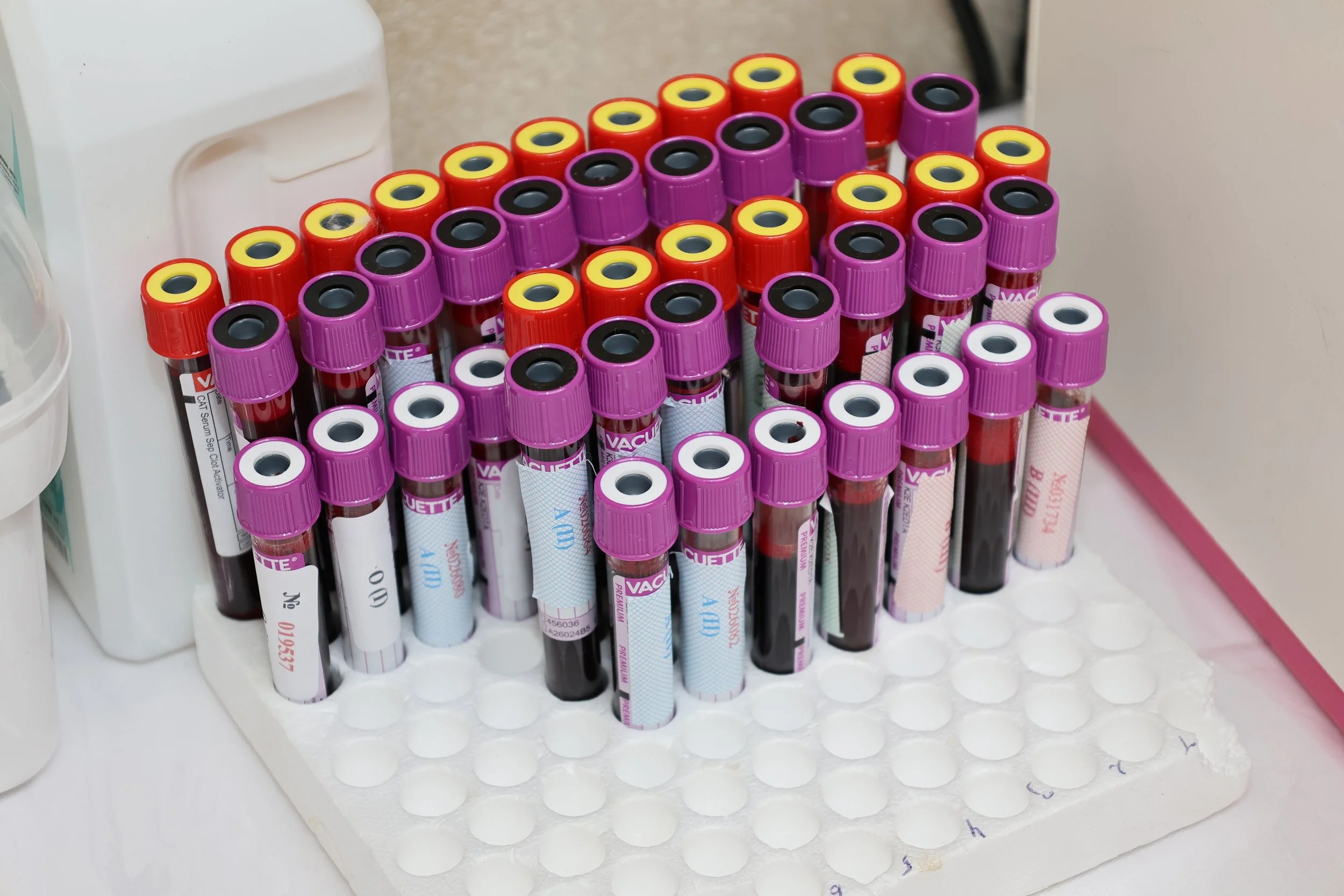
• Lab Specimen Transport. A hospital courier moves blood samples, cultures, and other specimens quickly and carefully. Considering they minimize delays in delivery, couriers can ensure the integrity of samples.
• Pharmaceutical Delivery. They handle medications securely and in full compliance with the Health Insurance Portability and Accountability Act (HIPAA) and other regulatory standards. This way, they can protect both patient privacy and product safety.
• Interfacility Transfers. They move items between hospitals, clinics, labs, and pharmacies as care coordination requires. This helps keep every part of the network connected.
• Medical Records Delivery. They deliver sensitive documentation securely and on time. As a result, this supports continuity of care across providers.
• Surgical Equipment Transport. They bring instruments and equipment exactly when a procedure calls for them. This leaves no room for last-minute scrambling.
• STAT and Emergency Delivery. They respond rapidly to urgent, unplanned requests when timing can't wait and standard schedules won't cut it.
• Temperature-Controlled Transport. They keep specimens and medications within required temperature ranges from pickup to delivery. This helps preserve their integrity throughout transit.
Courier services work together to support the fast pace of hospital operations. When timing leaves no room for error, having a courier equipped to handle every scenario makes all the difference.
How a Hospital Courier Enables Round-the-Clock Care
Patient care doesn't run on a fixed schedule, and the logistics behind it can't either. Emergencies happen overnight, transfers get called in without warning, and labs process specimens well past standard business hours. A hospital courier is built to keep up with that unpredictability. Here's how:
• Continuous Coverage. Dispatch teams and drivers stay active around the clock, ready to handle pickups whenever they come in. Care teams never have to wait for daytime hours to get what they need.
• Real-Time Tracking. Every delivery gets tracked from pickup to drop-off. Hospital or lab staff can check the exact status of a shipment at any time instead of guessing when it will arrive.
• Supply Continuity. Reliable courier service helps prevent medical supply shortages before they disrupt patient care or delay procedures.
• Rapid Response to Delays. A missed pickup or late drop-off can delay medical treatments. Well-trained hospital couriers are trained to quickly reroute to avoid these delays. This keeps diagnostic and treatment timelines on track.
• Always-On Support. Round-the-clock dispatch and customer service ensure questions get answered right away. Staff don't have to wait until the next business day for updates or changes.
• Facility-Wide Reliability. The same consistency applies to everyday essentials, not just urgent items. This includes efficient linen transport that keeps facilities running without interruption.

Together, these capabilities add up to more than convenience. They give hospitals, labs, and healthcare networks a level of consistency they can build their own operations around.
What to Look for in a Hospital Courier Partner
Not every courier service is equipped to handle hospital logistics. Choosing the right hospital courier means looking past price and finding a partner built for accountability. Here's what to prioritize:
• Proven On-Time Performance. A reliable partner doesn't just promise reliability, they prove it with real data. Look for a courier that can point to a consistent, verifiable on-time delivery rate.
• Trained, Professional Drivers. Drivers should understand exactly what they're transporting and why it matters. That awareness is what turns a routine pickup into careful, deliberate handling.
• Proactive Communication. The best partners flag potential delays before they become a problem, rather than waiting for a call asking where a delivery is.
• Real-Time Tracking Technology. Staff should never have to guess where a shipment stands. Real-time visibility keeps everyone informed and removes the uncertainty from the process.
• Regulatory Compliance. Sensitive materials demand careful, compliant handling at every step, so HIPAA and other regulatory standards should never be treated as optional.
• Scalability. As healthcare networks grow, their courier support needs to keep up without losing the reliability that made them a good fit in the first place.
• Consistency in Service. Consistent service builds trust when they know what to expect from every delivery, every time, regardless of who's behind the wheel that day.
The right partner treats every delivery as part of something bigger: patient care that can't afford interruptions.
Partner With Us for Reliable Delivery Solutions
Hospitals can't afford delays, miscommunication, or inconsistent service when patient care is on the line. At 24/7 Enterprises, we built our hospital courier service around that reality. We combine trained drivers, real-time tracking, and round-the-clock support to keep deliveries moving without interruption. Our team stays proactive, accountable, and ready to scale alongside your operations. Reach out to us today to build a courier partnership your hospital can depend on, day or night.