
Shipping LTL vs Full Truckload: How to Choose the Right Freight Strategy for Your Business
Shipping less-than-truckload (LTL) is a common choice for businesses that need to move freight without paying for a full trailer. However, it is not always the right option. In some cases, full truckload is preferred over shipping LTL because it allows the shipment to have more space, fewer touch points, and a more direct movement from origin to destination.
The key is to match the shipment to the service model. A business that ships a few pallets on a regular basis may benefit from LTL, while a business moving larger loads, more fragile freight, or time-sensitive inventory may get better results from full truckload. Choosing between the two is less about which one is better overall and more about which one fits the shipment, schedule, and cost priorities of the business.
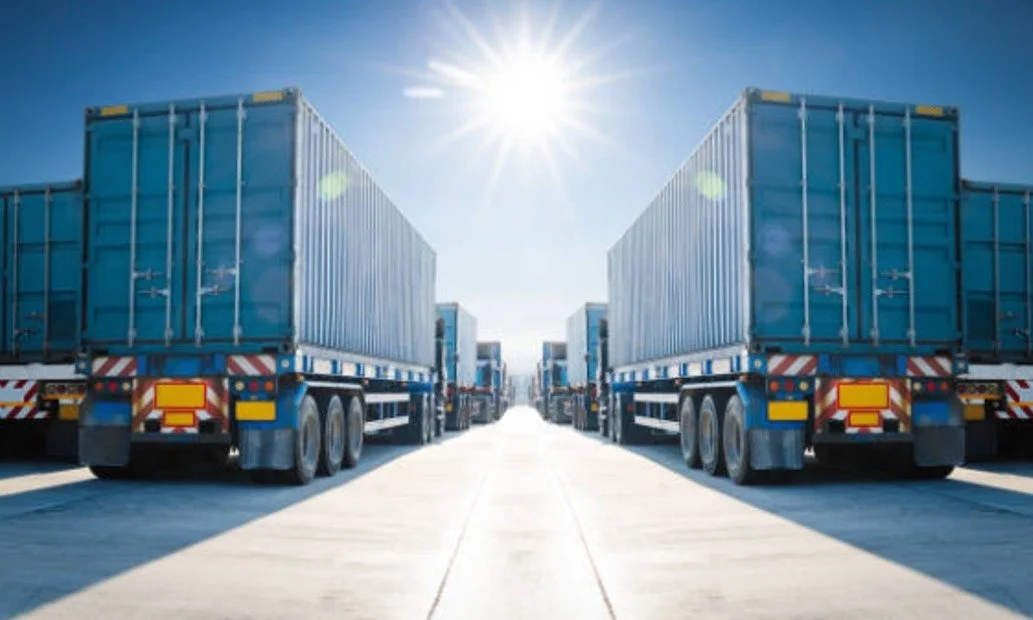
What Shipping LTL Means Compared to Full Truckload
Shipping LTL means a business shares trailer space with other shippers and pays only for the space its freight uses. Full truckload works differently because one shipment uses most or all of the trailer.
The main difference is simple: LTL uses shared trailer capacity, while full truckload gives one shipment dedicated space. That difference affects how the freight moves, how much space is available, and how the shipment is handled along the way.
When Shipping LTL Makes More Sense
LTL is often the better choice when a business does not need an entire trailer. That can happen when a company is shipping a few pallets, moving replenishment orders between locations, or sending recurring freight that is important but not large enough for full truckload.
This approach can help businesses control freight spend because they are not paying for unused trailer space. It can also support a more flexible shipping pattern. Instead of waiting until enough product is ready to fill a truck, a business can move smaller loads as needed.
For some businesses, that makes shipping LTL a better match for day-to-day freight planning. It works well when volumes change from week to week or when shipment sizes fall between parcel shipping and full truckload. For operations that need added support around storage or staged release of freight, warehousing can also play a useful role.
When Full Truckload Is the Better Choice
Full truckload usually makes more sense when the shipment is larger, more sensitive, or more time-dependent. If the freight takes up most of the trailer, sharing space through LTL may not offer much benefit. In that case, a dedicated truck can be the more practical option.
Full truckload can also be a stronger fit when businesses want fewer handoffs or more direct routing. Since the trailer is assigned to one shipper, the load often moves with less handling along the way. That can matter for fragile freight, higher-volume orders, or shipments tied to tighter delivery requirements.
If the freight needs special handling, that can affect the decision too. Some loads need more controlled movement, specialized equipment, or a dedicated route structure. In those situations, trucking services with dedicated fleet support may be the better fit.
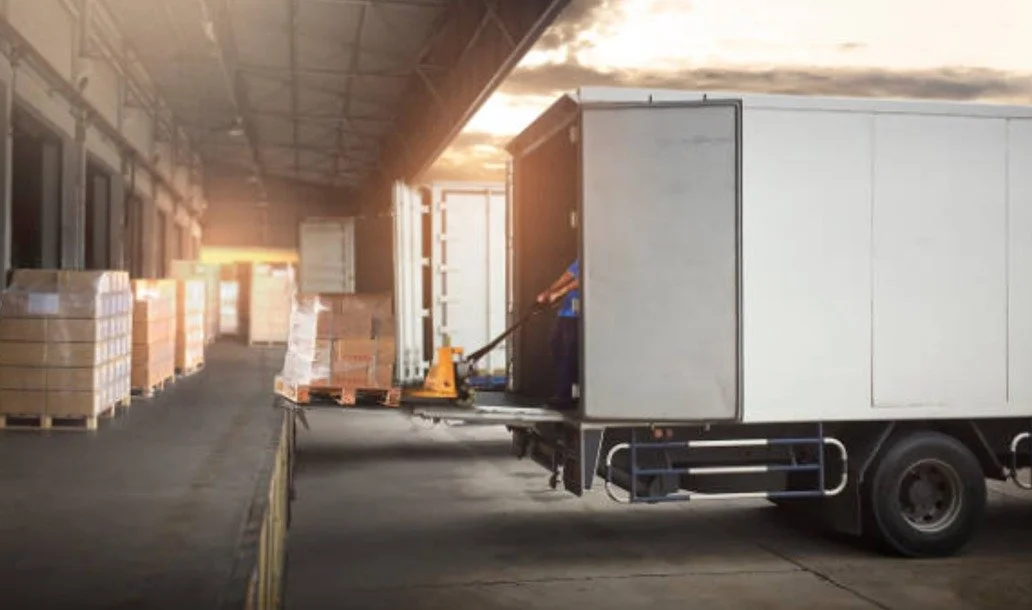
How to Choose the Right Freight Strategy for Your Business
When businesses compare shipping LTL and full truckload, the best choice usually comes down to a few questions. How large is the shipment? How sensitive is the freight? How quickly does it need to move? How much control does the business need over handling and routing?
If the load is smaller and cost efficiency is the main goal, shipping LTL may be the stronger fit. If the load is larger, more fragile, or more time-sensitive, full truckload may offer a better result. In some operations, the best answer is not one or the other every time. It may be using both, depending on the shipment. This is also where broader support can help. Businesses may look at technology for visibility and reporting, warehousing for inventory-backed shipping support.
Why the Right Freight Strategy Supports Better Operations
The right freight strategy helps businesses move products with better cost control, better handling, and better alignment between the shipment and the service. That is what makes the comparison between shipping LTL and full truckload important.
For businesses reviewing freight needs, the goal is not to force every shipment into the same model. It is to choose the option that best supports the size, timing, and handling needs of the freight. If your team is assessing its current freight strategy, contact 24/7 Enterprises to learn how its trucking, technology, and warehousing services can support your processes.