
When Freight Goes Wrong: The Growing Need For Pallet Restacking and Emergency Remediation Services
In the world of high-stakes logistics, a single shifted load can halt an entire supply chain. When a shipment arrives at a hospital or distribution center leaning or unstable, the receiver will likely refuse it at the dock. This is where professional pallet restacking and emergency remediation become the essential safety net for your operations.
These services transform a potential total loss into a successful delivery. In this article, we examine the mechanical causes of load failure, the financial risks of ignoring pallet integrity, and why professional remediation is a strategic necessity.
The Physics of Failure: Why Pallets Shift and Lean
Understanding why a load fails is the first step toward effective pallet restacking strategies. Mechanical forces acting upon the freight cause most failures rather than random accidents. When you compromise structural integrity, transit vibrations inevitably find the weakest point.

Several key factors contribute to these common logistical failures:
Containment Force Failure: Stretch wrap lacks the tension to bind the boxes and pallet into a single unit. Without this tension, freight surges forward or slides during sudden braking.
The Chimney Effect: Inaccurate vertical alignment forces weight to bypass the sturdy corners of the lower boxes. This pressure crushes the center of the packaging and leads to a vertical collapse.
Improper Load Foundation: Compromised pallets or underhang techniques create a floating load that lacks a solid base. These gaps allow freight to settle into voids, which results in a dangerous profile.
Pyramid Stacking: Lighter items at the base of the pallet create a top-heavy center of gravity. This imbalance causes the load to sway and tip during routine highway maneuvers.
Overhang Crushing: Boxes extending beyond the pallet edge lose significant vertical compression strength. These unsupported edges buckle under the weight of the load above them.
Identifying these physical triggers allows for more precise remediation before the shipment reaches the receiver. Professional teams who catch these issues early restore the load to its original specifications.
The Hidden Costs of Ignoring Pallet Integrity
Ignoring a leaning load creates a domino effect of financial and operational liabilities. When shippers overlook the need for pallet restacking, they trade a minor fix for a major expense. These costs quickly compound, impacting both the bottom line and long-term business relationships.
Financial risks include the following:
Dock Refusals and Redelivery: Receivers often reject damaged shipments at the dock to avoid liability. This triggers storage fees and additional transportation costs to return or relocate the freight to a facility capable of flexible warehousing and remediation.
Administrative Rework: Failed deliveries demand extensive office labor as staff members manage insurance claims and update inventory logs.
Inventory Loss: Structural failure often crushes the products at the base of the stack. This leads to total product loss and wasted manufacturing time.
Safety Fines: Unstable loads pose a direct threat to warehouse personnel. Shippers face significant penalties and legal exposure if a shifting pallet causes an injury during unloading.
Maintaining pallet integrity prevents these unnecessary drains on your resources as well as protects your staff from warehouse safety hazards. That said, shippers who address stability issues immediately ensure their freight remains an asset rather than a liability.
Beyond the Quick Fix: Why Pallet Restacking is a Logistics Safety Net
Anyone can move freight from one point to another, but not everyone can ensure it arrives in pristine condition. A professional pallet restacking service and emergency remediation provide the technical expertise to ensure your load does not collapse or shift during transit. This specialized support allows your business to maintain momentum even when facing unexpected cargo challenges.
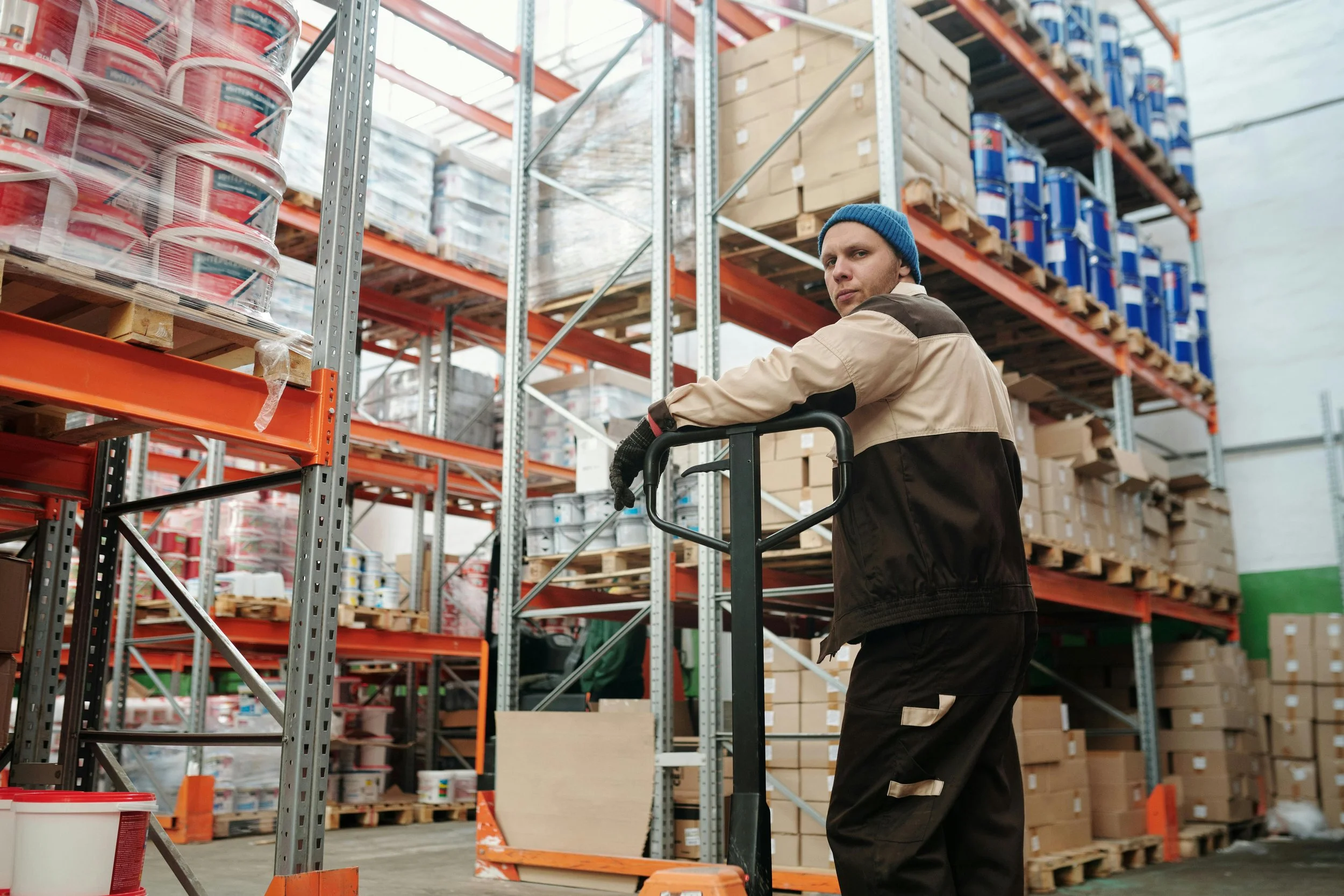
Source: Pexels
Here are some of the reasons why you need to have pallet restacking professionals on call:
Protecting the Chain of Custody: High-stakes sectors like healthcare require absolute stability. Professional remediation ensures sensitive materials remain secure and upright throughout the journey.
Ensuring Receiving Compliance: Large distribution centers enforce strict pallet height and stability standards. Professional restacking guarantees your shipment passes dock inspections and avoids costly rejections.
Eliminating Internal Chaos: Outsourcing remediation lets your team focus on core operations instead of emergency cleanup. You gain a partner that manages load securement through a dependable general courier service with operational authority.
Maximizing Transport Safety: Properly balanced loads protect both the cargo and the public. Secure pallets prevent dangerous weight shifts that cause vehicle instability on the road.
This proactive approach turns a potential failure into a demonstration of accountability. By leveraging professional expertise, you protect your reputation and your bottom line.
Restore Order to Your Logistics
Logistics is about more than just moving boxes; it is about maintaining a professional standard at every dock. When you face a structural load failure, you need a partner that responds with speed and operational authority. A professional pallet restacking strategy ensures that your shipments remain secure, compliant, and on time.
Protect your bottom line and your brand reputation by choosing a logistics partner that prioritizes accountability.
Contact 24/7 Enterprises today to secure your supply chain.